Chicken Raising
Getting Started with Backyard Chickens
What to plan for before bringing hens home, from local rules and coop space to feed, predators, summer heat and safe handling.
Published 4 min read
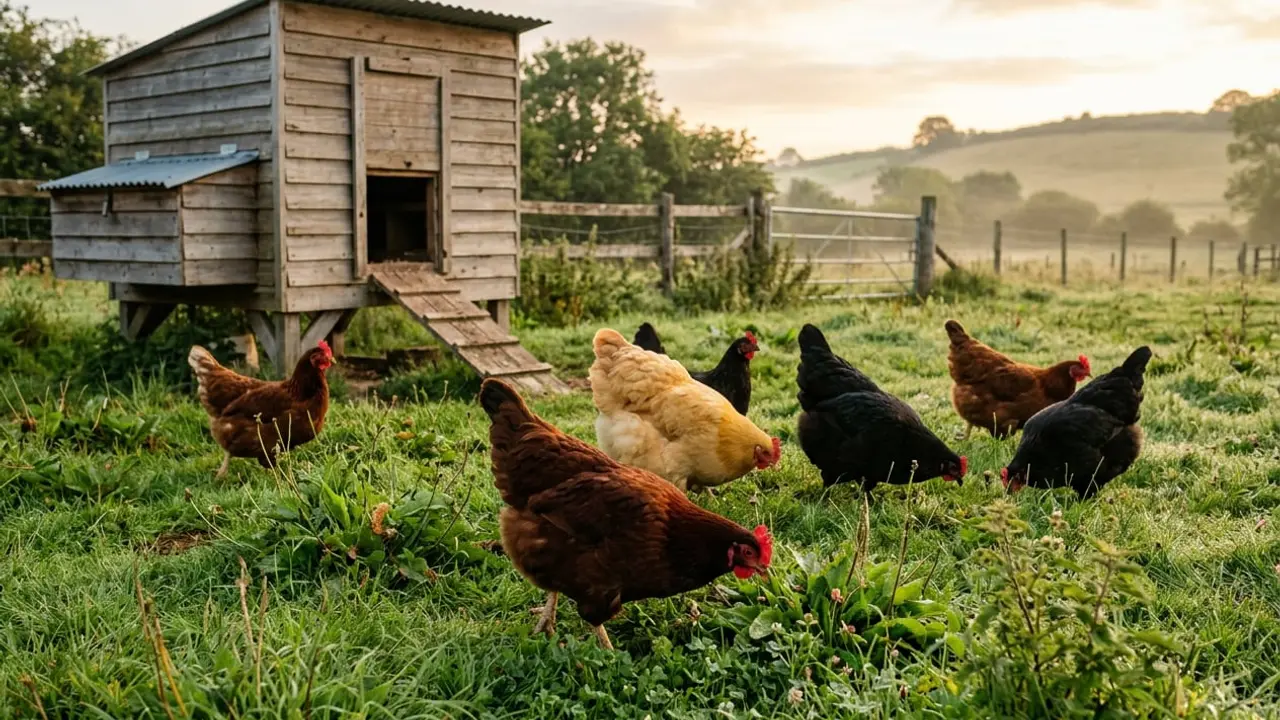
A few hens can supply eggs, eat kitchen scraps and garden pests, and teach a family a lot about daily responsibility. Chickens are also living animals that depend on you every day of the year. A little planning before the first chicks arrive makes the experience better for everyone, including the birds.
Check the rules first
Rules about poultry vary by county, town and neighborhood. Before you buy a coop, check:
- Local zoning. Some areas limit the number of birds, require a setback from property lines, or don’t allow roosters.
- Homeowners association covenants. These can be stricter than county rules.
- Your neighbors. A quick conversation before the coop goes up prevents most problems later.
Hens don’t need a rooster to lay eggs. A rooster is only needed if you want fertile eggs to hatch, and roosters are the most common source of noise complaints.
Space, shelter and the coop
Crowded birds are stressed birds. Guidance varies, but a common starting point for standard-size hens is:
| Need | Common guideline per bird |
|---|---|
| Indoor coop floor space | About 3 to 4 square feet |
| Outdoor run space | About 8 to 10 square feet |
| Roost space | About 8 to 10 inches of perch |
| Nest boxes | One box for every 4 to 5 hens |
More room is always better. A good coop is dry, draft-free at roost level, well ventilated near the roof, and easy for you to clean. You will be in and out of it every day, so make doors and nest boxes easy to reach.
Protect the flock from predators
In North Carolina, raccoons, foxes, opossums, hawks, owls, snakes and loose dogs all prey on chickens. Most losses happen at night or when birds are left out unattended.
- Close birds into a secure coop every evening.
- Use hardware cloth (welded mesh, often ½ inch) rather than chicken wire on openings and runs. Chicken wire keeps chickens in, but it doesn’t keep predators out.
- Bury mesh or add an apron around the run to stop digging.
- Use latches a raccoon can’t open. A simple hook is often not enough.
Feed and water
- Chicks need a chick starter feed and a heat source in a brooder. A common rule of thumb is about 95°F in the first week, lowered by about 5°F each week as feathers come in.
- Laying hens do best on a complete layer feed, often around 16% protein, once they begin laying.
- Calcium. Offer crushed oyster shell on the side so hens can build strong eggshells.
- Grit helps birds that forage or eat scraps grind their food.
- Clean water, always. Hens drink more in hot weather, and a flock can empty a small waterer quickly.
Treats and scraps are fine in moderation, but they shouldn’t replace a balanced feed.
When to expect eggs
Most hens begin laying somewhere around 18 to 24 weeks of age, depending on breed and season. Laying naturally slows as days shorten in fall and winter, and stops for a while during the yearly molt, when hens replace their feathers. Production is usually highest in a hen’s first couple of laying years and declines gradually after that. Plan for those slow seasons rather than expecting an egg from every hen every day.
Summer heat matters in North Carolina
Chickens handle cold better than heat. During hot, humid summers:
- Provide shade in the run and plenty of ventilation in the coop.
- Keep water cool and in the shade, and check it more than once a day.
- Watch for panting, wings held away from the body and lethargy. These are signs of heat stress.
Safe handling and biosecurity
Backyard poultry can carry Salmonella even when they look healthy. The CDC recommends that everyone:
- Wash hands with soap and water after touching birds, eggs, equipment or anything in the coop area.
- Keep poultry and their supplies out of the house, especially the kitchen.
- Supervise young children around birds and make sure they wash up afterward.
- Avoid kissing or snuggling birds.
Simple biosecurity protects your flock too. Limit contact between your birds and wild birds, quarantine new birds before mixing them in, and don’t share equipment between flocks. If birds become sick or die suddenly, contact a veterinarian or the North Carolina Department of Agriculture and Consumer Services (NCDA&CS) Veterinary Division.
A short checklist
- Confirm local rules and HOA covenants.
- Build or buy a secure, ventilated coop before the birds arrive.
- Set up a brooder if you’re starting with chicks.
- Stock the right feed, oyster shell, grit and waterers.
- Plan who will handle daily care, including during vacations.
Helpful resources
Farm Journal articles share general information for home growers and small-flock keepers. They are not professional veterinary, legal or food-safety advice. For guidance specific to your situation, contact NC State Extension or a licensed professional.