Vegetable Gardening
Preparing a Vegetable Garden for Spring
A step-by-step guide to getting a central North Carolina vegetable garden ready for spring, from soil testing to cool- and warm-season planting.
Published 3 min read
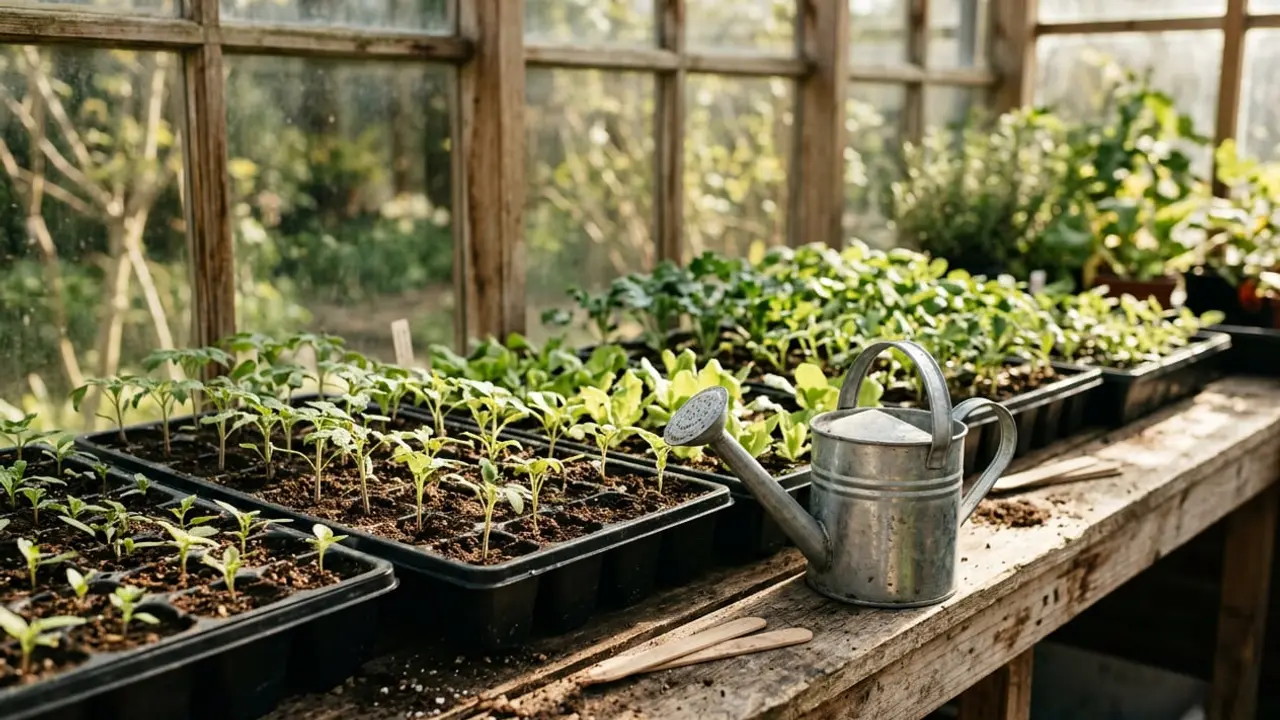
In central North Carolina, spring garden work starts earlier than many people expect. Some of the most useful steps happen in late fall and winter, well before the first tomato goes in the ground. Here is a practical sequence to follow.
1. Start with a soil test
A soil test tells you your soil’s pH and which nutrients it needs, so you don’t guess with lime and fertilizer. The North Carolina Department of Agriculture and Consumer Services (NCDA&CS) runs a soil testing lab for state residents. It is free for much of the year, with a small fee during the busy winter season. Check NCDA&CS for current details and sample boxes.
Test in fall if you can. Lime, which raises pH in the acidic soils common across the Piedmont, takes months to work.
2. Plan what goes where
Sketch your beds and decide what to grow:
- Put tall crops such as staked tomatoes and trellised beans where they won’t shade shorter plants.
- Rotate plant families so the same crop doesn’t grow in the same spot year after year. This helps limit soil-borne diseases.
- Grow what your household actually eats.
3. Build the soil
Many Piedmont gardens sit on heavy red clay. Organic matter is the best long-term fix.
- Work 2 to 3 inches of finished compost into the top several inches of soil.
- Consider raised beds. They drain faster and warm up sooner in spring.
- Add lime and fertilizer only as your soil report recommends.
Don’t work wet soil. Squeeze a handful. If it forms a sticky ball that won’t crumble, wait a few days. Tilling wet clay damages soil structure.
4. Know your frost date
Two planting windows define the spring garden: before and after the last frost. In the Raleigh area the average last frost typically falls around early to mid-April, but it varies by location and year. NC State Extension publishes planting calendars for each region of the state.
5. Plant cool-season crops early
These crops tolerate light frost and prefer cool weather. Many can be planted in late winter through early spring in central North Carolina:
- Peas, spinach, lettuce and other salad greens
- Kale, collards, cabbage and broccoli
- Onions, radishes, carrots and beets
- Irish potatoes
6. Start warm-season seeds indoors
Tomatoes and peppers are usually started indoors about 6 to 8 weeks before transplanting. Peppers often need a little longer. Give seedlings strong light so they don’t stretch.
About a week before transplanting, harden off seedlings by setting them outdoors for a few hours a day and gradually increasing their time outside.
7. Plant warm-season crops after the frost
Wait until the danger of frost has passed and the soil has warmed:
- Tomatoes, peppers and eggplant
- Squash, zucchini and cucumbers
- Snap beans and field peas
- Okra and sweet potatoes, which like truly warm soil and often go in later in spring
8. Mulch and set up watering
Once plants are in, mulch with straw, shredded leaves or another organic material to hold moisture, suppress weeds and keep soil from splashing onto leaves. Most vegetables do well with about an inch of water a week from rain or irrigation. Water at the base of the plant in the morning, and keep foliage as dry as you can.
A simple spring timeline
| When | Task |
|---|---|
| Fall to early winter | Soil test, add lime if recommended, plan beds |
| Late winter | Add compost, start pepper and tomato seeds indoors, plant early cool-season crops |
| Early spring | Continue cool-season planting, harden off seedlings |
| After last frost | Transplant warm-season crops, sow beans and squash, mulch |
Helpful resources
Farm Journal articles share general information for home growers and small-flock keepers. They are not professional veterinary, legal or food-safety advice. For guidance specific to your situation, contact NC State Extension or a licensed professional.