Farm Traditions
Why Family Farming Traditions Matter
Why the knowledge, habits and values passed down through farming families still matter, and how tradition and modern agriculture can grow together.
Published 2 min read
According to the U.S. Department of Agriculture, the large majority of farms in the United States are family farms. Many are small operations where the work, the decisions and the knowledge are shared between generations. In an age of industrial agriculture and online tutorials, it is fair to ask what those family traditions still offer. The answer is quite a lot.
Knowledge you can’t download
A great deal of farming knowledge is practical and local. Some of it can’t be found in any manual:
- How a particular patch of ground drains after a heavy rain
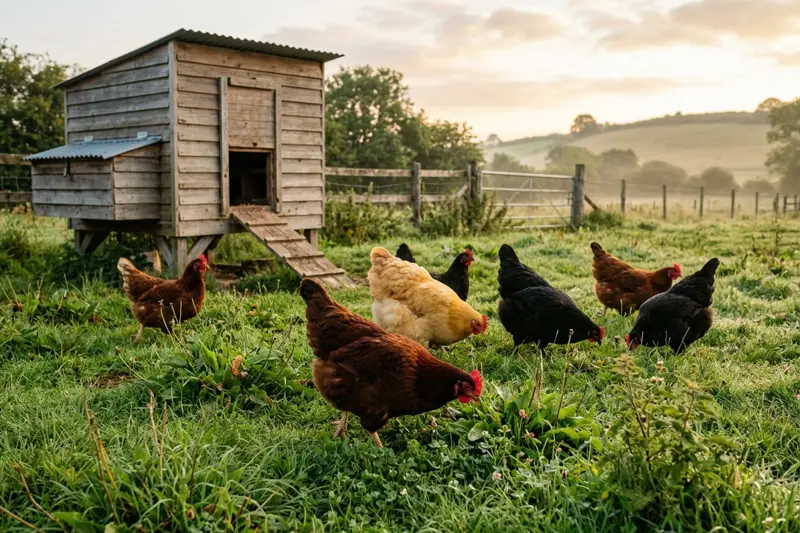
- What a healthy hen looks like on a cold morning, and what an unwell one looks like
- When the soil “feels” ready to plant
- Which tasks can wait until tomorrow, and which can’t
This kind of knowledge is learned by working side by side with someone who has done the job for years. When it isn’t passed on, it is often lost.
Responsibility, learned early
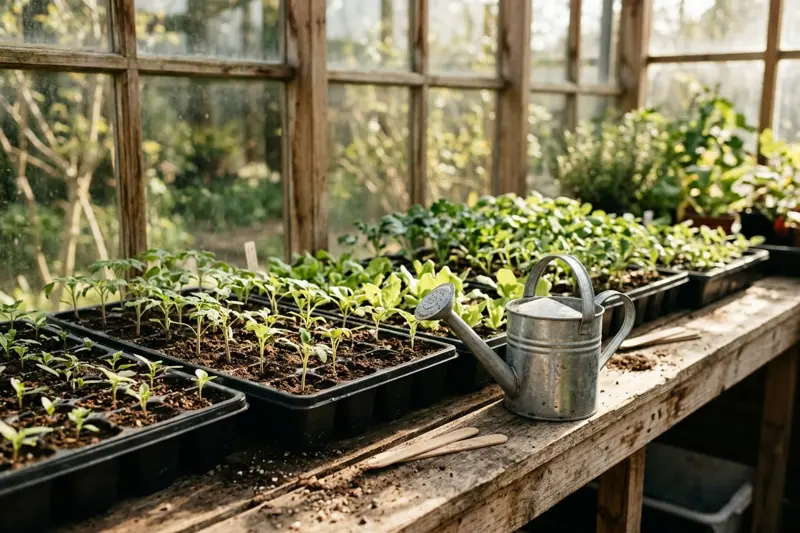
Caring for animals and plants gives young people real responsibility with real consequences. Animals need feeding whether or not it’s convenient. Seedlings that aren’t watered don’t survive. Those lessons in patience, follow-through and care for living things carry well beyond the farm.
Living with the seasons
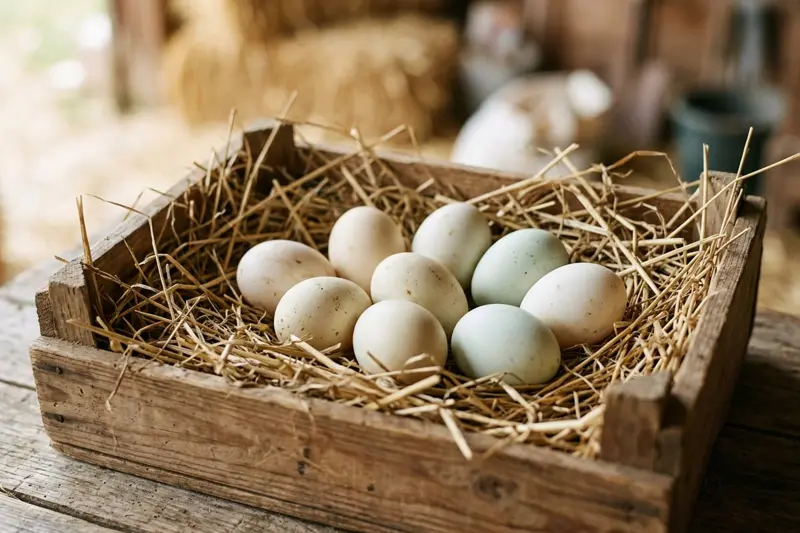
Farming traditions are built around the calendar: when to plant, when to harvest, when to preserve, and when to rest. Families who farm tend to notice the seasons in detail. They track the first frost, the lengthening days that bring hens back into lay, and the week the tomatoes finally ripen. That close attention to nature is a tradition in its own right.
Food as culture
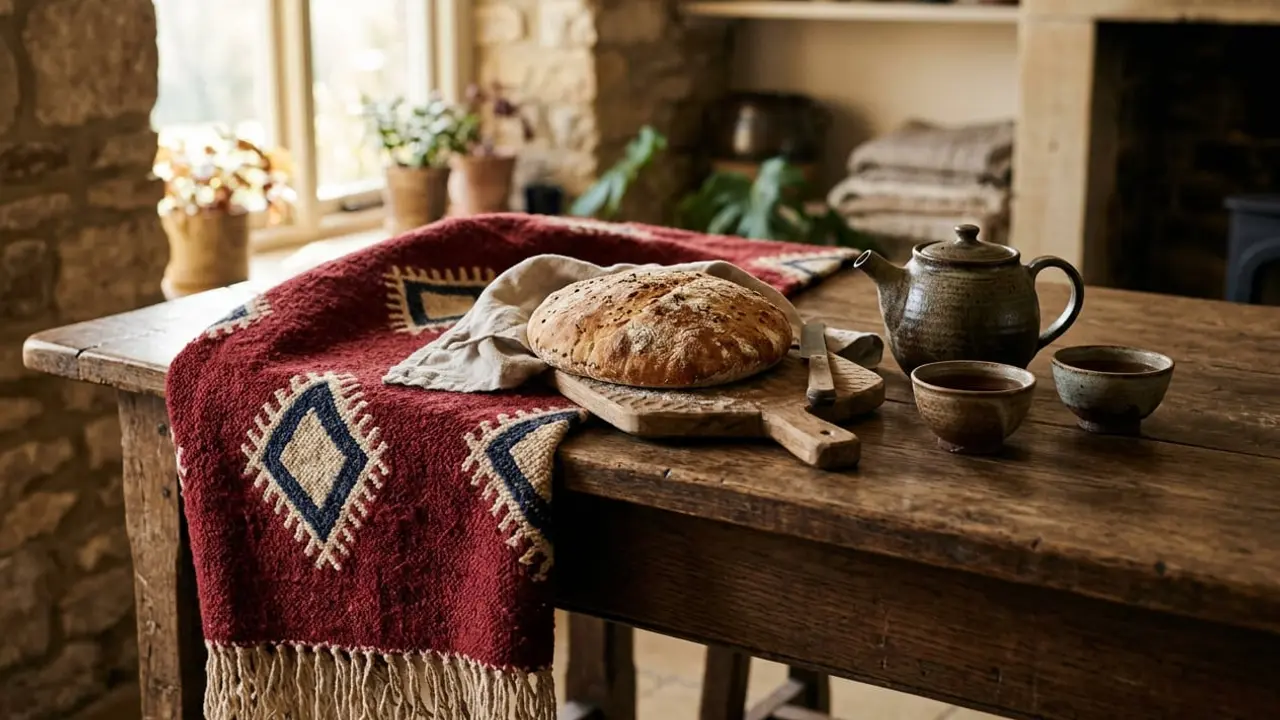
Many traditions live at the table. Recipes, preserving methods and ways of sharing food carry a family’s history. In Turkmen culture, for example, bread is treated with great respect, tea is offered to every guest, and hospitality is a point of honor. Customs like these give everyday farm work a deeper meaning. Raising food becomes part of caring for family and community.
Tradition and modern farming, together
Valuing tradition doesn’t mean rejecting new knowledge. The best family farms combine both:
- Traditional habits of observation, thrift and care for the land
- Current research on soil health, animal care and food safety from universities and extension services
- Clear knowledge of the laws and regulations that apply to farms today
Traditions stay alive by adapting. A family that moves to a new country, climate and soil type keeps its values and learns new methods to match.
Why it matters at Bereket Farmstead
At Bereket Farmstead, we see family farming traditions as something to practice, not just remember. Our values of honest work, gratitude, hospitality and passing knowledge to the next generation come from our Turkmen heritage. We put them to work on a small farm in North Carolina, and we keep learning as we go.
Further reading
Farm Journal articles share general information for home growers and small-flock keepers. They are not professional veterinary, legal or food-safety advice. For guidance specific to your situation, contact NC State Extension or a licensed professional.